

The Future of Vertical Transportation in India: A 2030 Outlook
India is not just building upward—it is building denser, faster, and smarter.
As cities expand vertically, elevators are no longer background utilities. By 2030, vertical transportation will be a critical layer of urban infrastructure, influencing safety, energy consumption, accessibility, and even real estate value.
This article explores how elevator technology, regulations, and expectations are likely to evolve in India over the next five years—and what building owners, developers, and facility managers should prepare for now.
Why 2030 Is a Turning Point for Indian Elevators?
Several forces are converging at once:
- Rapid urban densification
- Mixed-use and high-rise developments
- Smart city initiatives
- Energy efficiency mandates
- Rising user expectations around safety and reliability
Together, these factors are pushing elevators from “installed equipment” to managed systems.
Trend 1: Elevators Will Be Designed as Systems, Not Products
By 2030, elevators will no longer be evaluated only on:
- Speed
- Load capacity
- Number of stops
Instead, decision-makers will look at:
- Lifecycle performance
- Energy consumption patterns
- Data visibility
- Maintainability over 15–25 years
This shift favors system thinking over one-time procurement.
Trend 2: Predictive Maintenance Will Become the Default Expectation
Reactive maintenance is already becoming unacceptable in premium buildings.
By 2030:
- Condition monitoring will be standard
- Downtime will be predicted, not reported
- Maintenance decisions will be data-driven
Elevators that cannot support predictive diagnostics may feel outdated far sooner than expected.
Trend 3: Energy Efficiency Will Move from “Nice to Have” to Mandatory
Energy costs and sustainability targets are reshaping infrastructure decisions.
Expected developments include:
- Wider adoption of regenerative drives
- Smarter standby and sleep modes
- Better traffic optimization algorithms
- Integration with green building certifications
Elevators will increasingly contribute to a building’s ESG profile.
Trend 4: User Experience Will Matter as Much as Performance
By 2030, elevators will be judged by occupants, not just engineers.
User expectations will include:
- Reduced waiting times
- Smoother ride quality
- Better lighting and cabin ergonomics
- Touchless or low-touch controls
- Clear communication during delays or faults
Vertical mobility will be experienced, not just measured.
Trend 5: Accessibility Will Be Non-Negotiable
India’s demographic realities make accessibility unavoidable.
Future-ready elevators will prioritize:
- Universal design principles
- Clear visual and audio indicators
- Reliable emergency communication
- Compliance with evolving accessibility norms
Accessibility will be seen as good design, not regulatory burden.
Trend 6: Integration with Smart Buildings Will Deepen
Elevators will no longer operate in isolation.
By 2030, tighter integration is expected with:
- Building Management Systems (BMS)
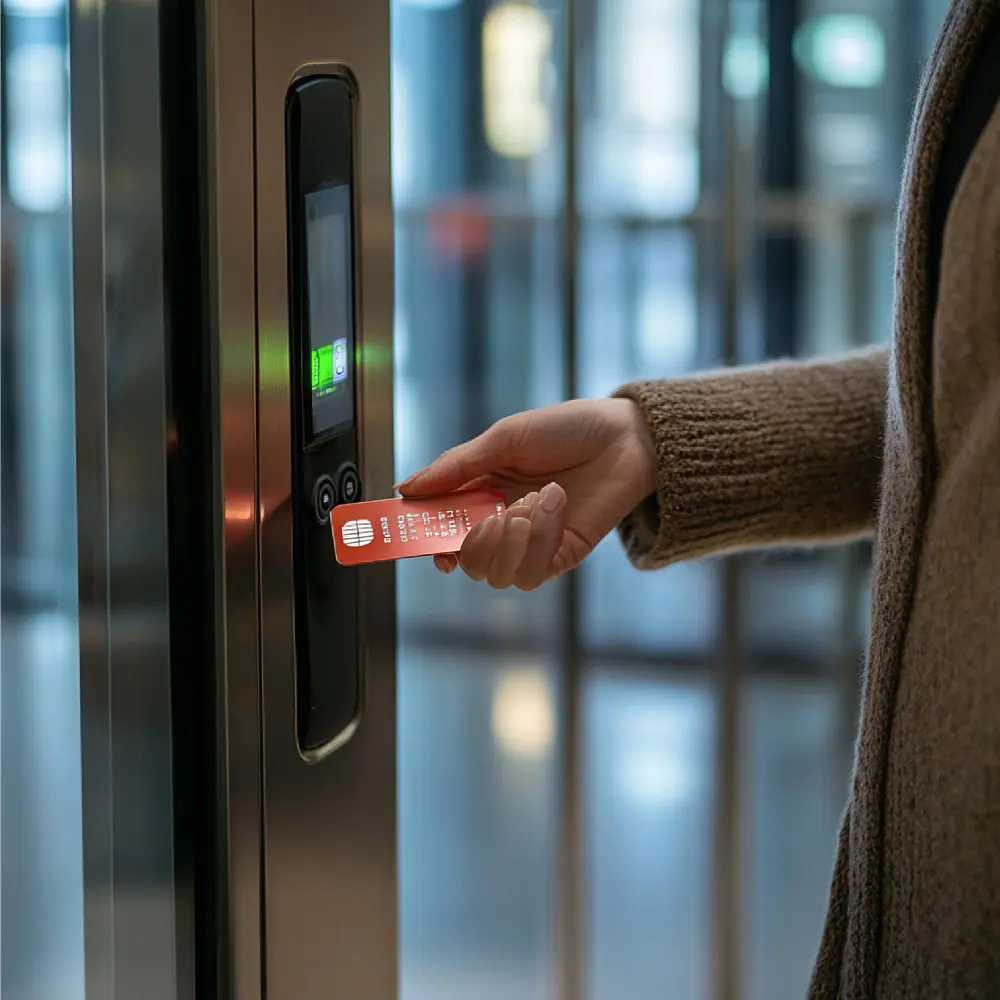
- Access control and security
- Fire and emergency systems
- Energy monitoring platforms
The elevator becomes a node in a larger digital ecosystem.
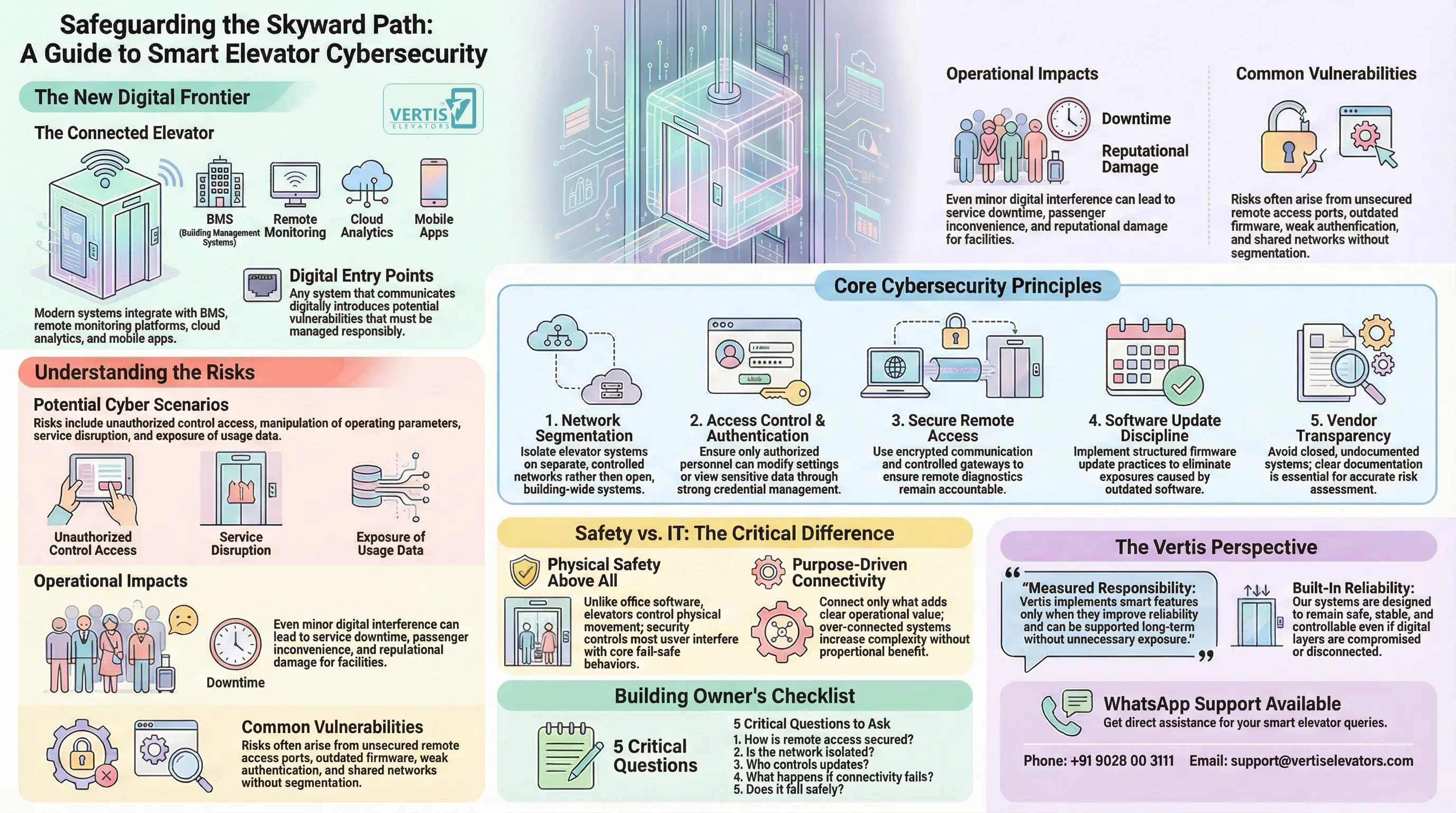
Trend 7: Cybersecurity Will Enter Mainstream Conversations
As discussed earlier in this series, connectivity brings responsibility.
By 2030:
- Elevator cybersecurity will be part of risk assessments
- Network segmentation will be expected practice
- Remote access protocols will face scrutiny
This will particularly matter in commercial, healthcare, and institutional buildings.
Trend 8: Modernization Will Outpace New Installations
India’s installed base of elevators is aging.
Over the next decade:
- Modernization demand will grow faster than new installations
- Partial upgrades will replace full replacements in many cases
- Software, controls, and drives will be modernized before mechanical components
Strategic modernization planning will become a competitive advantage.
Trend 9: Regulatory Oversight Will Increase
Safety incidents, urban density, and public accountability are driving change.
Expect:
- Clearer compliance frameworks
- More frequent inspections
- Greater documentation requirements
- Accountability across the lifecycle, not just at installation
Compliance will reward preparedness, not shortcuts.
Trend 10: The Definition of “Reliable” Will Change
By 2030, reliability will not mean “it works most of the time.”
It will mean:
- Predictable performance
- Minimal disruption
- Transparent diagnostics
- Fast, informed response when issues arise
Reliability becomes a service promise, not just a mechanical outcome.
What This Means for Today’s Decision-Makers?
Future-proofing does not require chasing every new feature.
It requires:
- Asking better questions
- Choosing scalable systems
- Planning for upgrades
- Partnering with vendors who think long-term
The elevators you approve today will still be operating in 2035.
The Vertis View on the 2030 Elevator Landscape
At Vertis Elevators, technology adoption is guided by practical longevity.
Systems are designed to:
- Adapt as regulations evolve
- Support modernization rather than forced replacement
- Balance innovation with reliability
- Serve real buildings, not just brochures
The future is not about the most features—it is about the right features, implemented responsibly.
Looking Ahead
India’s vertical transportation landscape is entering a more mature phase.
The winners will not be those who install the fastest elevators, but those who deliver consistent, safe, efficient movement of people over decades.
2030 is closer than it appears.
Call: +91 9028 zero zero 3111 | WhatsApp Support Available
Email: support@vertiselevators.com
Related Post

Safety Can’t Wait.
Book a free safety audit with Vertis Elevators and ensure your building meets every standard - protecting people and your reputation.
Leave a Comment



Comments (0)
No comments available.