

Cybersecurity in Smart Elevators: An Emerging Risk Most Buildings Ignore
Elevators were once purely mechanical systems.
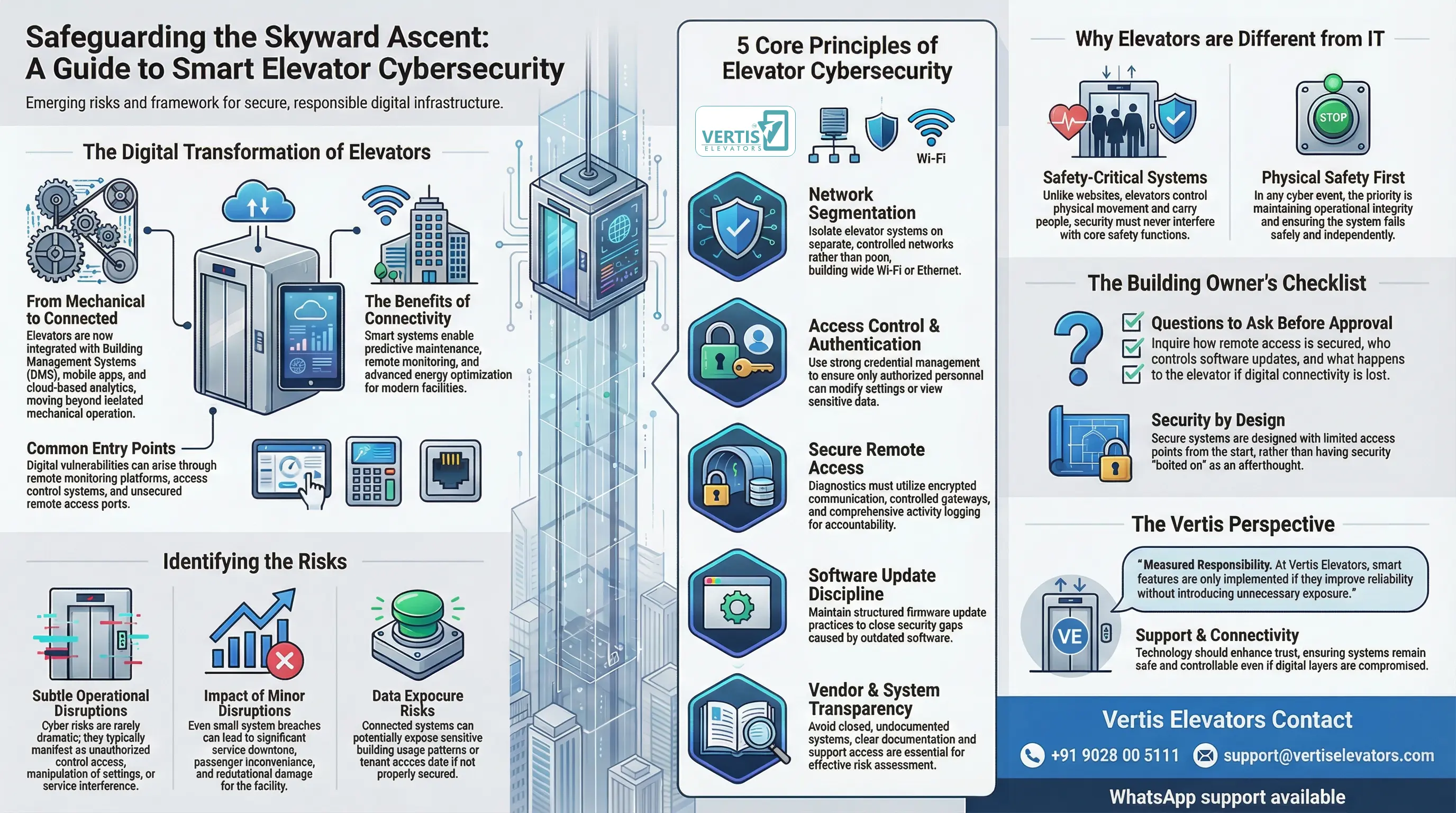
Today, they are connected, data-driven, and increasingly integrated with building networks.
This transformation has brought immense benefits—predictive maintenance, remote monitoring, energy optimization. But it has also introduced a new, often overlooked consideration:
Cybersecurity.
For most building owners, the idea that an elevator could face a cyber risk feels distant or unlikely. Yet as elevators become part of the digital infrastructure, cybersecurity becomes a shared responsibility, not a theoretical concern.
Why Cybersecurity Is Now Relevant for Elevators?
Modern elevators can be connected to:
- Remote monitoring platforms
- Building Management Systems (BMS)
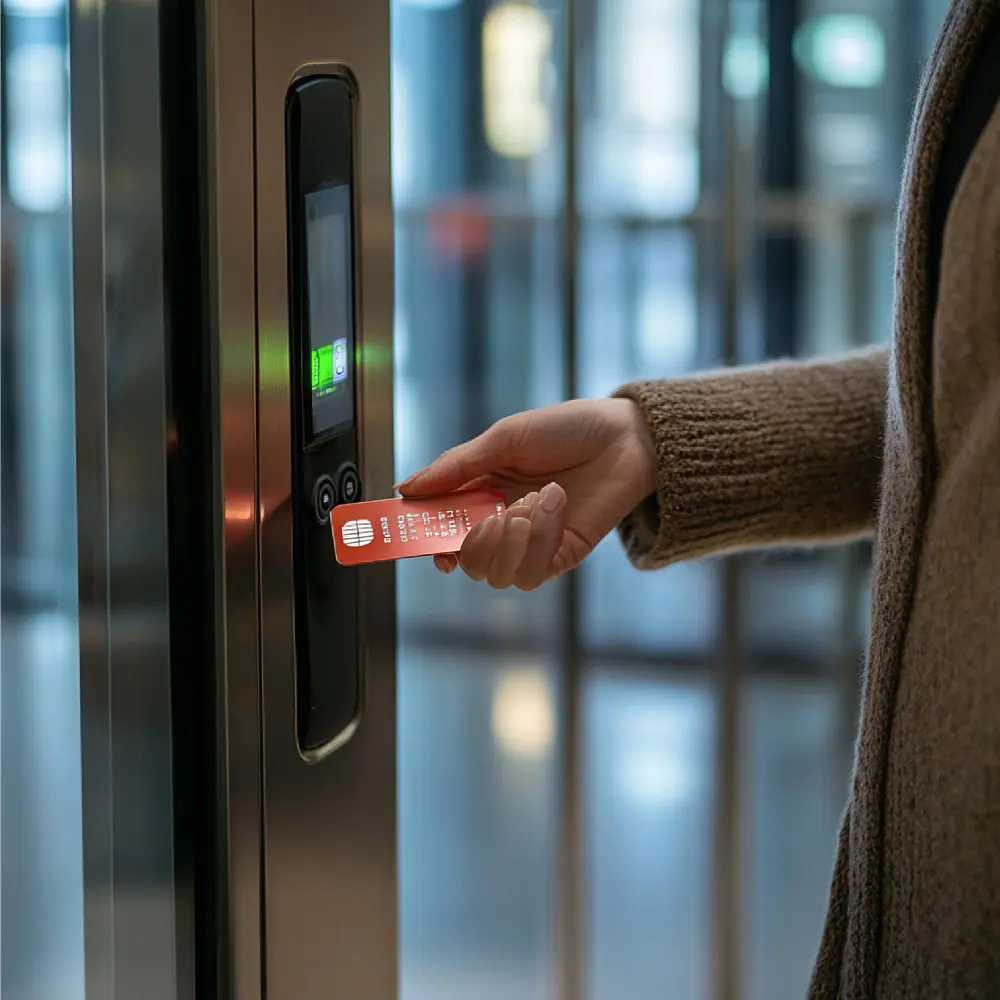
- Access control systems
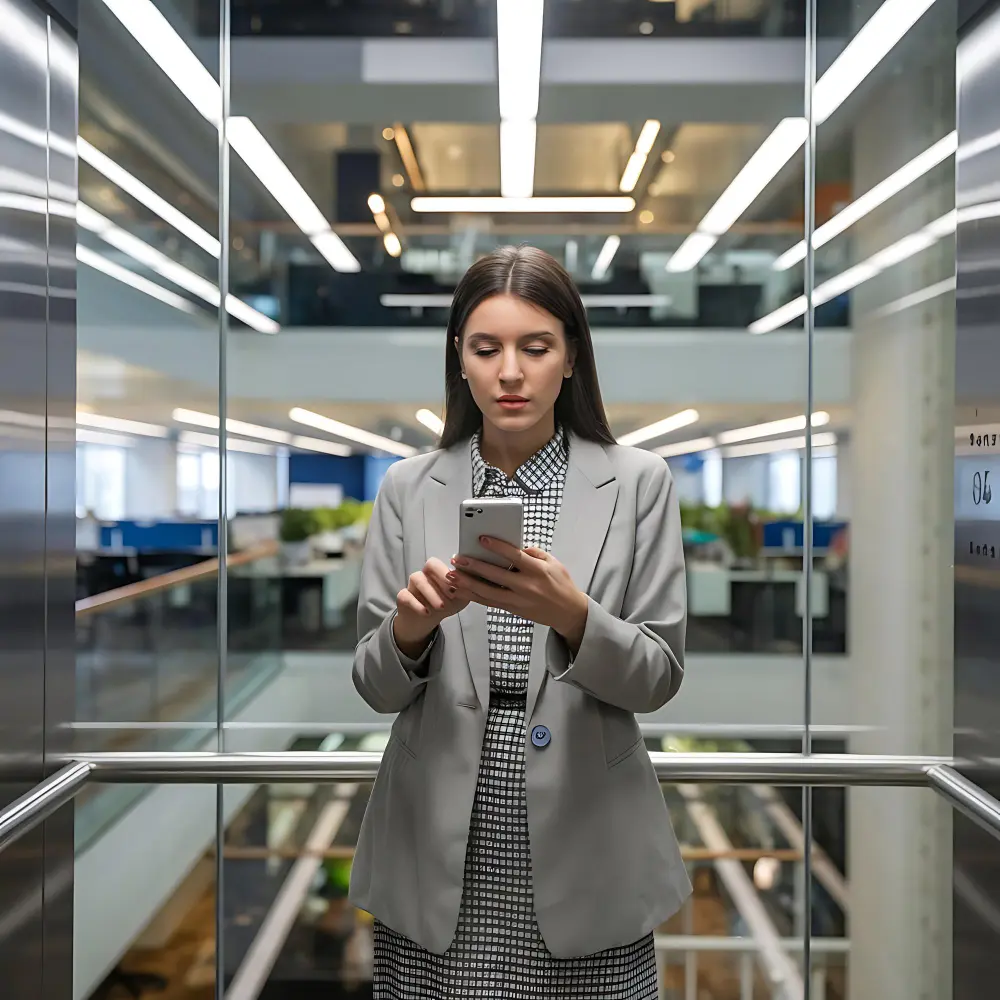
- Mobile applications
- Cloud-based analytics tools
Any system that communicates digitally introduces potential entry points.
This does not mean elevators are unsafe, but it does mean they must be designed and managed responsibly.
What Could a Cyber Risk Look Like in Practice?
Cyber risk in elevators is rarely about dramatic scenarios. It is usually subtle and operational.
Potential risks include:
- Unauthorized access to elevator controls
- Manipulation of operating parameters
- Disruption of service through system interference
- Exposure of usage or access data
- Loss of remote monitoring functionality
Even minor disruptions can cause:
- Service downtime
- Passenger inconvenience
- Operational confusion
- Reputational concerns for facilities
Key Cybersecurity Principles for Smart Elevators
Responsible elevator cybersecurity focuses on fundamentals, not complexity.
1. Network Segmentation
Elevator systems should operate on separate, controlled networks, not open building-wide systems.
2. Access Control & Authentication
Only authorized personnel and systems should:
- Access controllers
- Modify settings
- View sensitive data
Strong credential management matters.
3. Secure Remote Access
Remote diagnostics should use:
- Encrypted communication
- Controlled access gateways
- Logged activity
Remote access without accountability is a vulnerability.
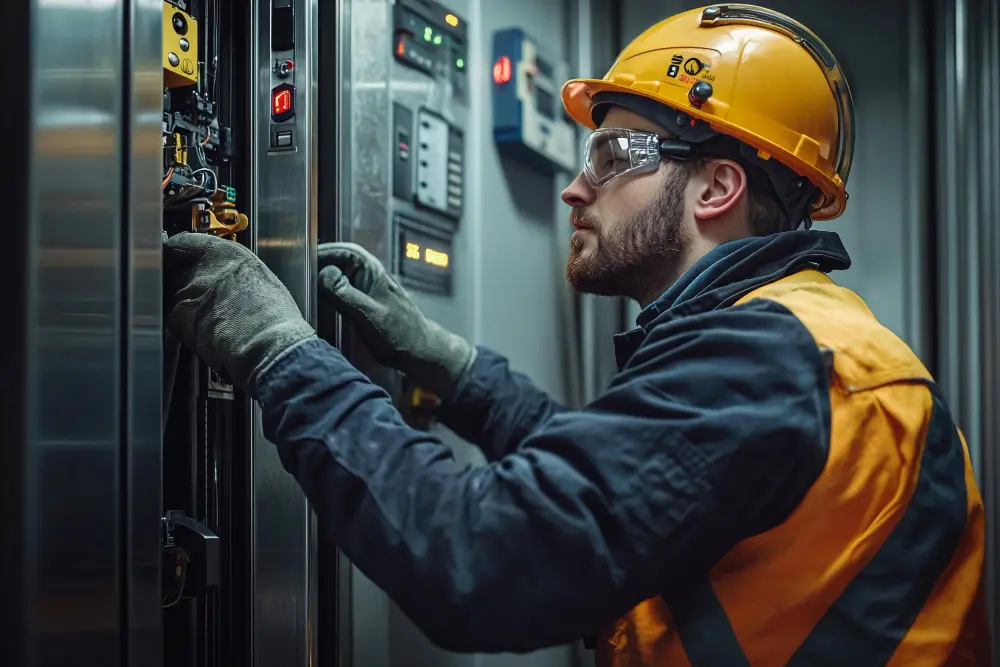
4. Software Update Discipline
Outdated firmware and control software create exposure.
Structured update practices reduce long-term risk.
5. Vendor & System Transparency
Closed, undocumented systems make risk assessment difficult.
Clear documentation and support access are essential.
Why Elevators Are Different from Typical IT Systems?
Elevators are safety-critical systems.
Unlike office software or websites:
- They control physical movement
- They carry people
- They must fail safely under all conditions
This means cybersecurity for elevators must prioritize:
- Operational integrity
- Fail-safe behavior
- Physical safety above all else
Security controls must never interfere with core safety functions.
Where Cyber Vulnerabilities Can Arise?
Understanding risk starts with understanding architecture.
Common vulnerability points include:
- Unsecured remote access ports
- Outdated firmware or software
- Weak authentication for monitoring tools
- Shared networks without proper segmentation
- Poorly managed third-party integrations
These are design and governance issues, not inherent flaws in smart technology.
Cybersecurity Is a Design Choice, Not an Add-On!
One of the biggest misconceptions is treating cybersecurity as something that can be “added later.”
In reality, secure elevator systems are:
- Designed with limited and controlled access points
- Built on stable, well-supported platforms
- Integrated thoughtfully with other building systems
Security that is built-in is always more reliable than security that is bolted on.
The Role of Software Updates and Lifecycle Management
Outdated software is one of the most common risk factors.
Responsible elevator systems include:
- Structured update policies
- Controlled change management
- Compatibility testing before deployment
- Clear documentation of versions and patches
Cybersecurity is not a one-time action—it is ongoing discipline.
Balancing Connectivity with Control
Not every elevator needs maximum connectivity.
A key principle of responsible design is:
Connect only what adds clear operational value.
Over-connected systems increase complexity without proportional benefit.
Good design focuses on:
- Purpose-driven connectivity
- Minimal exposure
- Clear ownership of access rights
What Building Owners and Facility Managers Should Ask?
Cybersecurity does not require deep technical expertise, but it does require the right questions.
Before approving smart elevator systems, ask:
- What remote access exists, and who controls it?
- How is access authenticated and logged?
- How are software updates managed?
- What happens if connectivity is lost?
- Does the elevator fail safely and independently?
Clear answers indicate mature system governance.
The Vertis Perspective on Smart Elevator Security
At Vertis Elevators, connectivity is approached with measured responsibility.
Smart features are implemented only when:
- They improve reliability or safety
- They can be supported long-term
- They do not introduce unnecessary exposure
Elevator systems are designed to remain safe, stable, and controllable, even if digital layers are compromised or disconnected.
Technology should enhance trust, not create uncertainty.
Questions Worth Asking Before Approving Smart Elevator Systems
- How is remote access secured?
- Is the elevator network isolated?
- Who controls software updates?
- What happens if connectivity fails?
Clear answers to these questions signal a mature approach.
Cybersecurity Is About Preparedness, Not Panic
Cybersecurity in elevators is not about reacting to threats—it is about anticipating them calmly.
As buildings become smarter, digital responsibility becomes part of engineering excellence.
Ignoring it is not an option and overreacting to it is unnecessary.
Balanced, informed design is the answer.
Call: +91 9028 zero zero 3111 | WhatsApp Support Available
Email: support@vertiselevators.com
Related Post
Safety Can’t Wait.
Book a free safety audit with Vertis Elevators and ensure your building meets every standard - protecting people and your reputation.
Leave a Comment



Comments (0)
No comments available.