

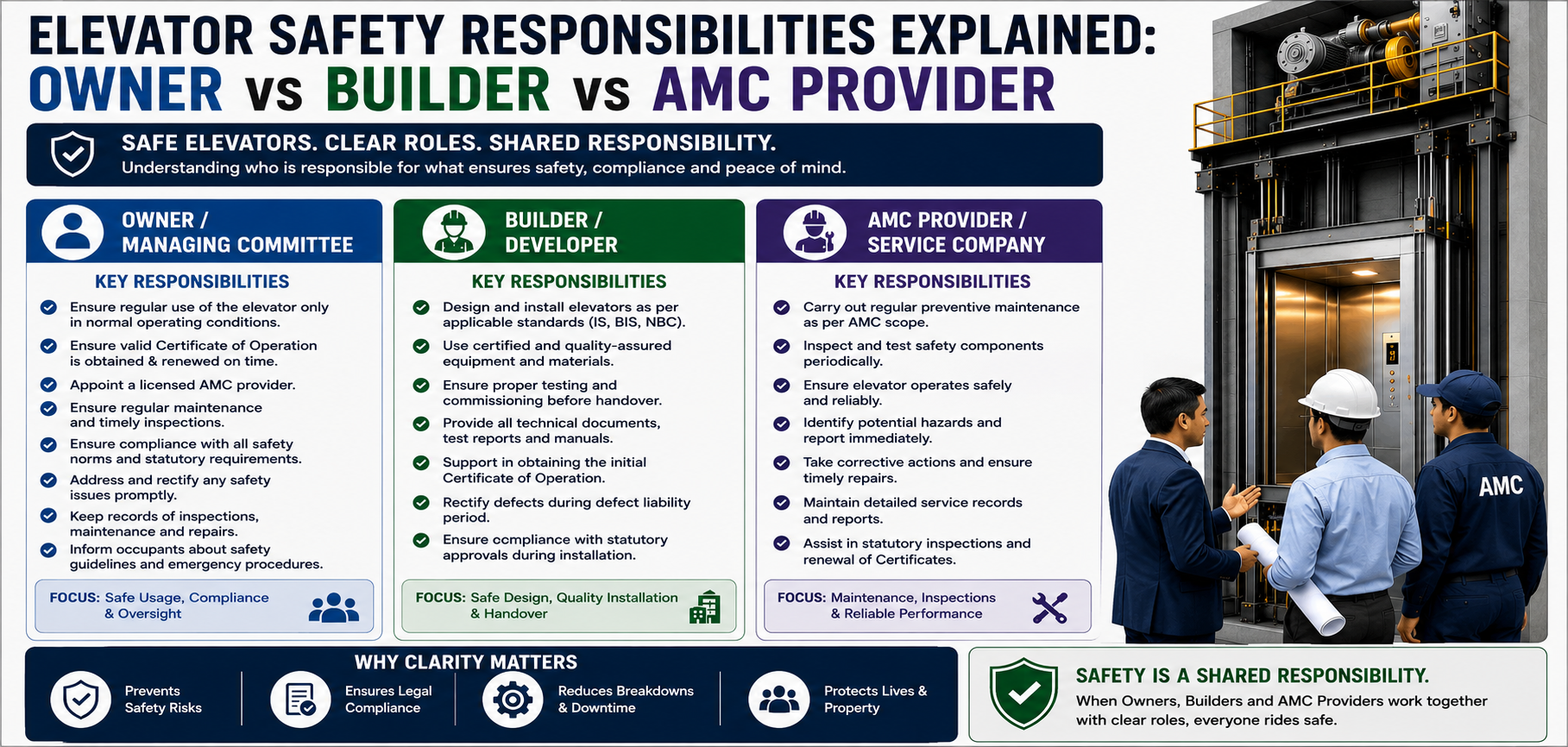
Elevator Safety Responsibilities Explained: Owner vs Builder vs AMC Provider
When elevator safety issues arise, the first question is almost always: “Who is responsible?”
-
Is it the builder who installed the lift?
- The AMC company maintaining it?
- Or the building owner or society using it every day?
In reality, elevator safety responsibility is shared — but not equal. Misunderstanding this is one of the biggest reasons safety gaps, inspection failures, and legal disputes occur.
This article clearly explains who is responsible for what, so there is no ambiguity when it matters most.
Why Responsibility Clarity Matters
In case of:
- An accident
- A failed inspection
- A legal notice
- An insurance claim
Authorities do not accept confusion as a defense.
Responsibility clarity:
- Prevents blame-shifting
- Improves safety outcomes
- Protects building stakeholders legally
1. Builder / Developer Responsibilities (Before Handover)
The builder’s responsibility exists until the building is legally handed over.
Builders are responsible for:
- Installing elevators as per approved plans
- Ensuring compliance with BIS standards
- Obtaining initial inspection approvals
- Registering elevators under the applicable Lift Act
- Providing complete technical documentation
Once handover occurs, builder responsibility ends, unless contractually extended.
Incomplete handover documentation can create long-term compliance issues. A post-handover audit can catch gaps early.
2. Building Owner / Housing Society Responsibilities (Primary Accountability)
After handover, the building owner or society becomes the legal custodian of the elevator.
Owners / Societies are responsible for:
- Ensuring valid inspection certificates
- Appointing a competent AMC provider
- Allowing timely maintenance and repairs
- Keeping maintenance records and logbooks
- Acting on safety recommendations
- Approving modernization when required
Even if maintenance is outsourced, legal responsibility cannot be outsourced.
If your society assumes “AMC will handle everything,” you may be exposed to compliance risks.
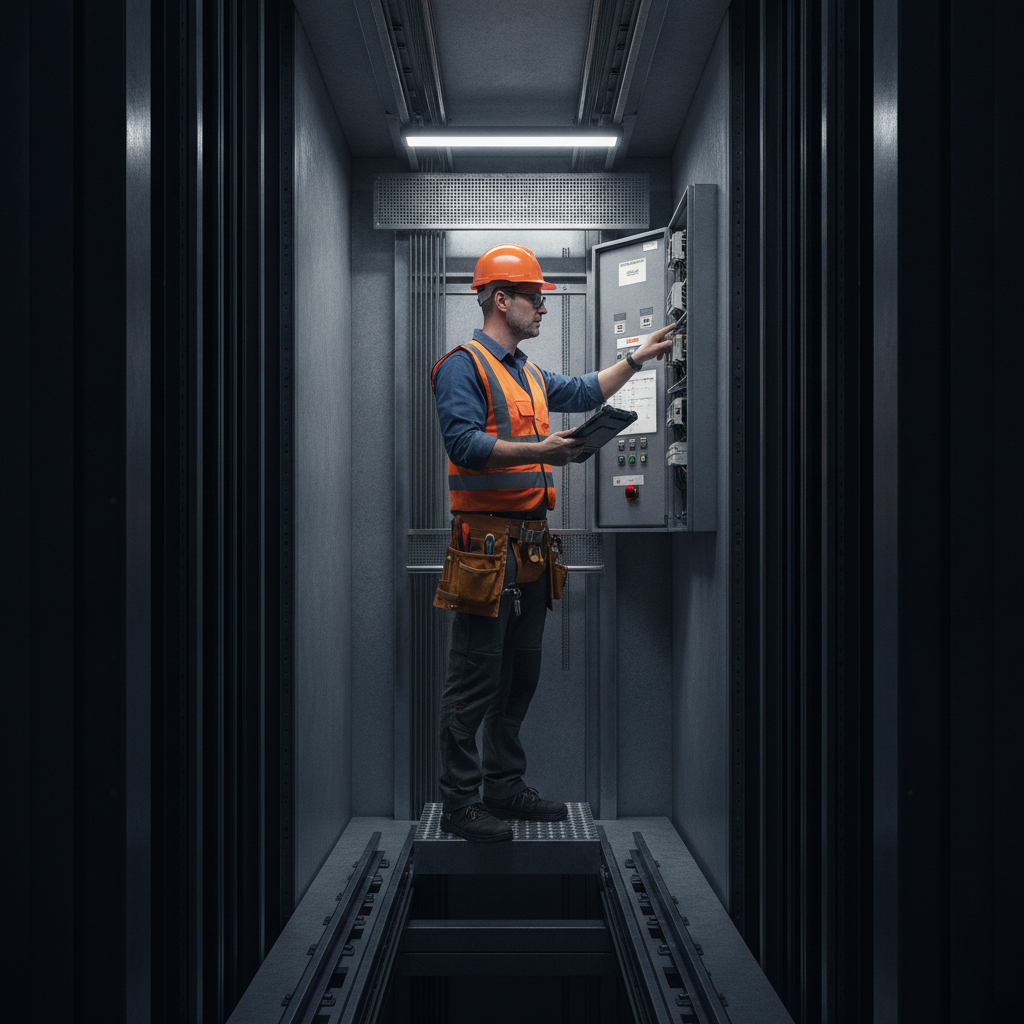
3. AMC Provider Responsibilities (Technical Execution)
The AMC (Annual Maintenance Contract) provider plays a critical role, but within defined limits.
AMC providers are responsible for:
- Routine maintenance and servicing
- Attending breakdown calls
- Repairing worn components
- Testing safety systems
- Maintaining service records
However, AMC providers:
- Cannot authorize modernization alone
- Cannot operate lifts without valid certification
- Cannot override owner approvals
A low-cost AMC without compliance discipline often leads to higher long-term risk and cost.
4. Lift Inspector & Government Authority Role
Regulatory authorities:
- Inspect elevators periodically
- Issue or renew operation certificates
- Enforce compliance under the Lift Act
- Order shutdowns if safety is compromised
Inspectors do not mediate responsibility — they enforce outcomes.
Where Conflicts Commonly Arise
Disputes usually occur when:
- Builders hand over incomplete documentation
- Societies delay repairs due to cost concerns
- AMC providers flag issues but receive no approvals
- Safety upgrades are postponed repeatedly
In such cases, the owner or society remains accountable, even if others contributed to the lapse.
Special Considerations for Hospitals & Public Buildings
Hospitals and public facilities face higher safety expectations.
Additional responsibilities may include:
- Redundant safety systems
- Faster response requirements
- Stricter fire compliance
- Higher documentation standards
Patient safety standards demand proactive compliance, not reactive repairs.
Modernization Responsibility: Who Decides?
Modernization is often the most misunderstood area.
- AMC providers may recommend it
- Inspectors may insist on it
- Owners / societies must approve and fund it
Delaying modernization when safety is compromised can be treated as negligence, not cost-saving.
How Vertis Elevators Helps Align Responsibilities
Vertis Elevators works as a responsible partner, not just a service provider.
We support clients by:
- Clarifying responsibility boundaries
- Providing written safety recommendations
- Supporting inspection readiness
- Offering phased modernization options
- Maintaining transparent documentation
Our objective is alignment, not ambiguity.
Clear responsibility today prevents costly consequences tomorrow.
Final Thought
Elevator safety fails not because of lack of expertise, but because of lack of clarity.
When builders, owners, and AMC providers understand their roles and act responsibly, elevators remain safe, compliant, and reliable for years.
Safety is a shared effort — but accountability must be clear.
Call: +91 9028 00 3111
WhatsApp Support Available
Email: support@vertiselevators.com
Related Post
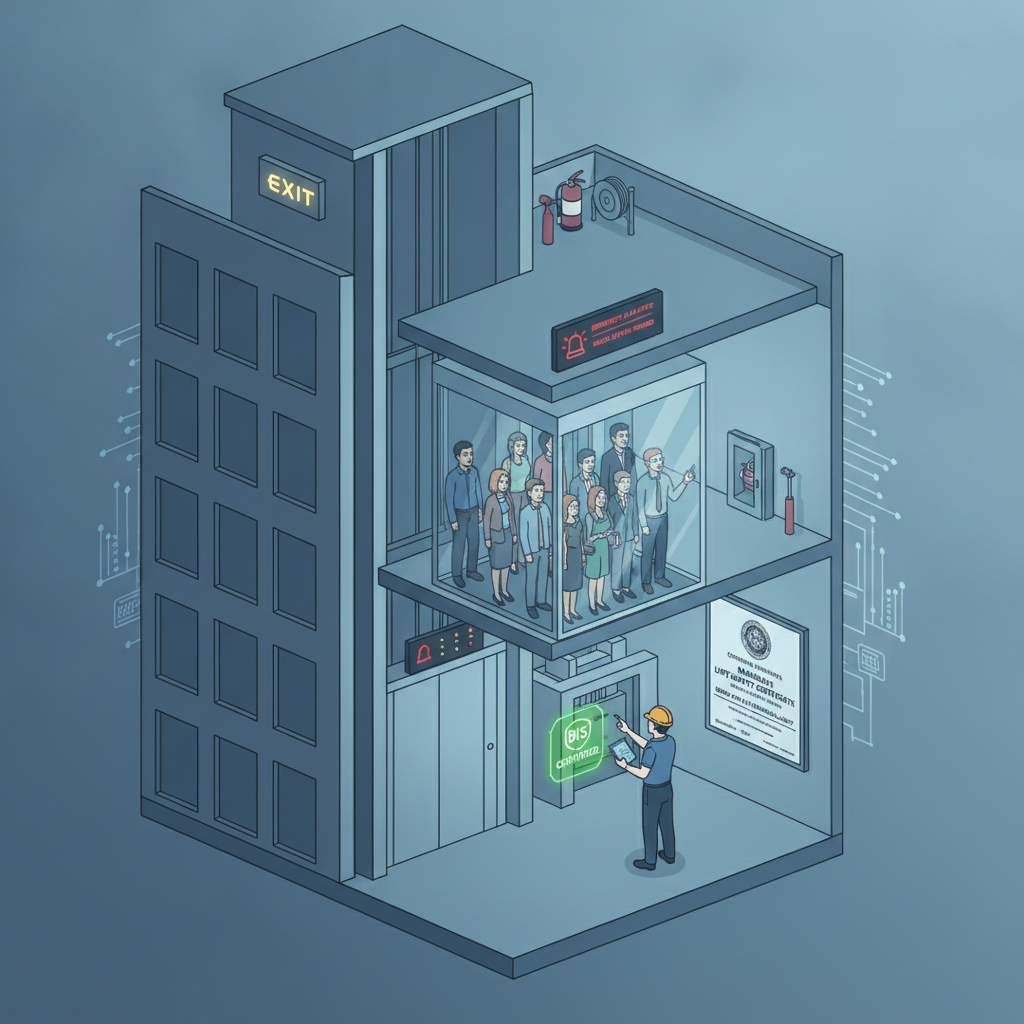
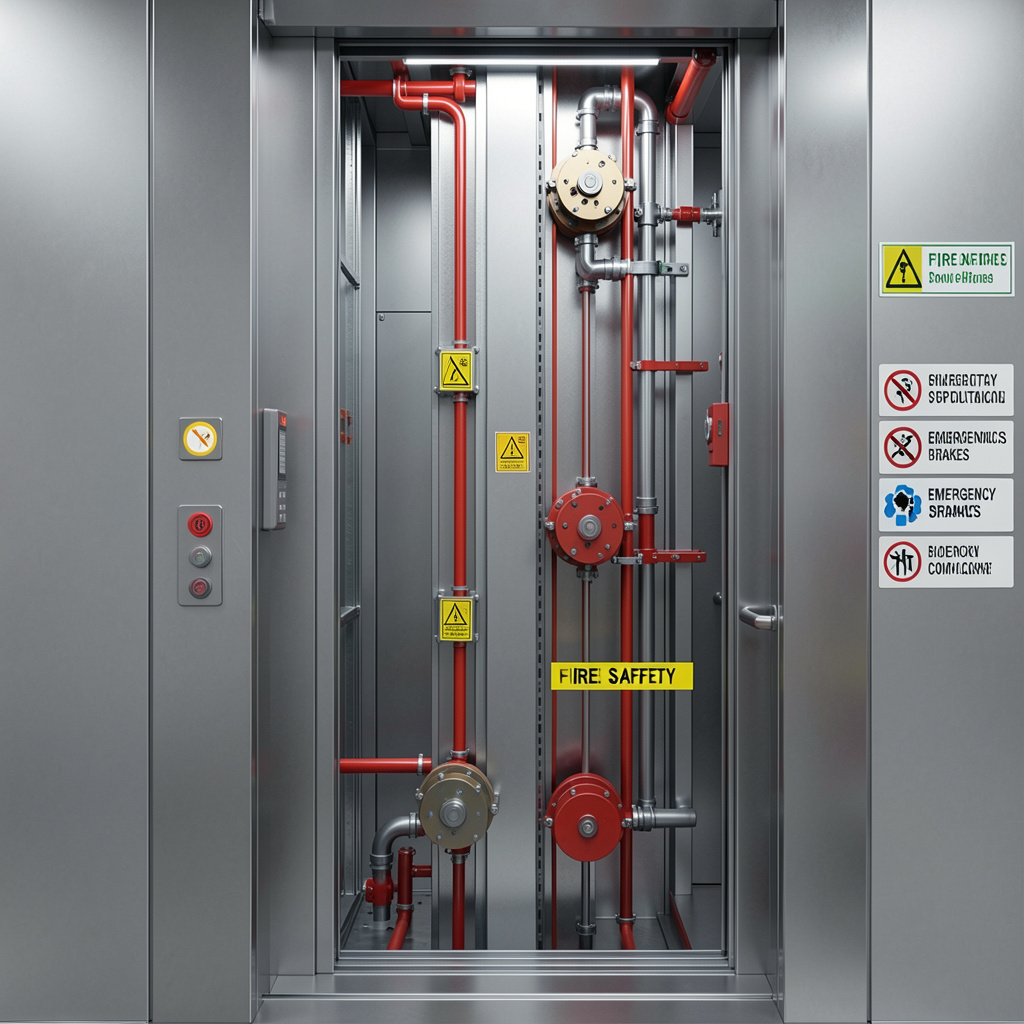

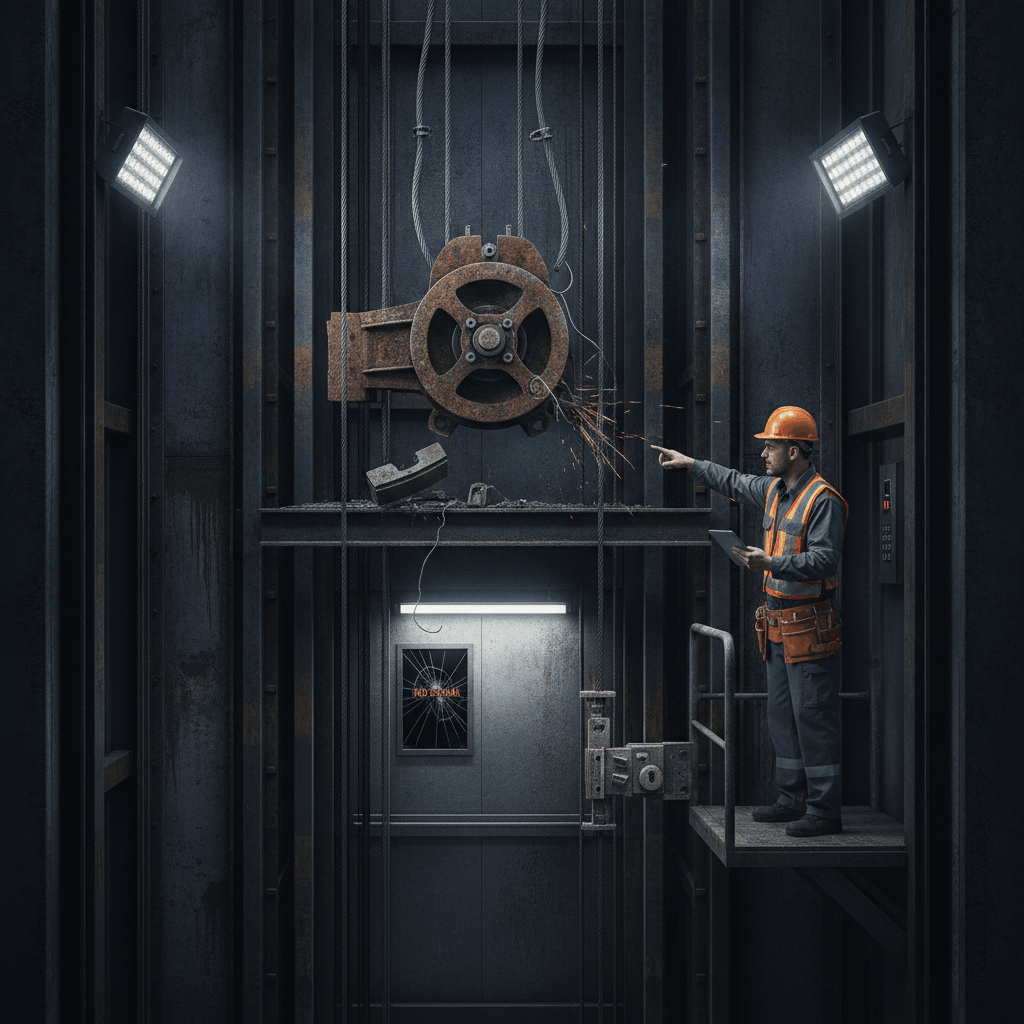
Safety Can’t Wait.
Book a free safety audit with Vertis Elevators and ensure your building meets every standard - protecting people and your reputation.
Leave a Comment



Comments (0)
No comments available.